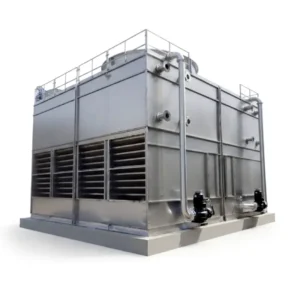
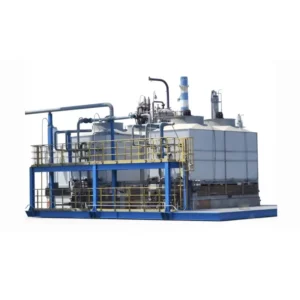
Wet-Dry Crossflow Closed-Circuit Cooling Tower Benefits
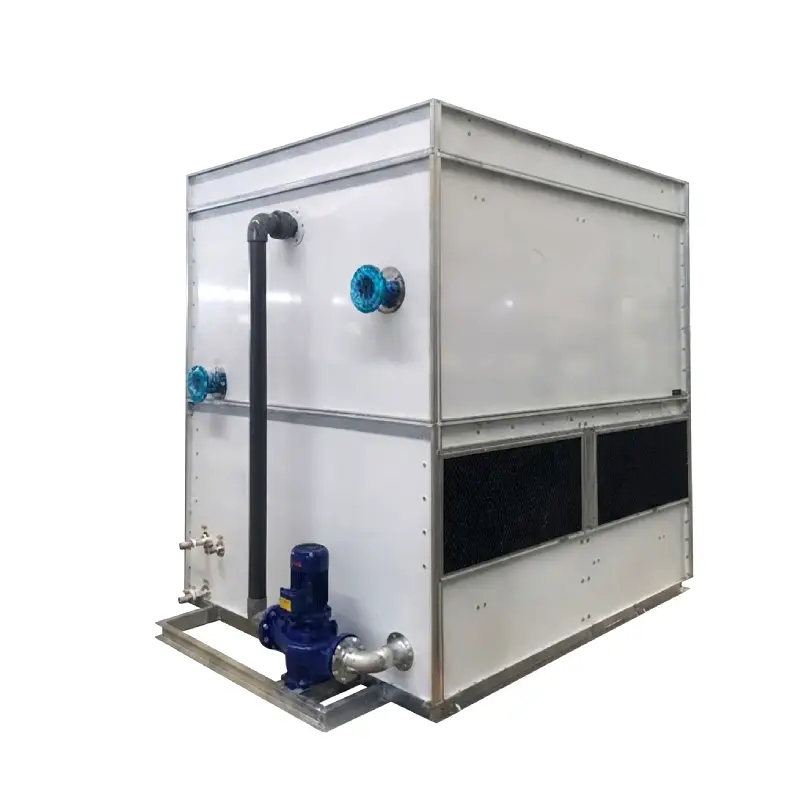
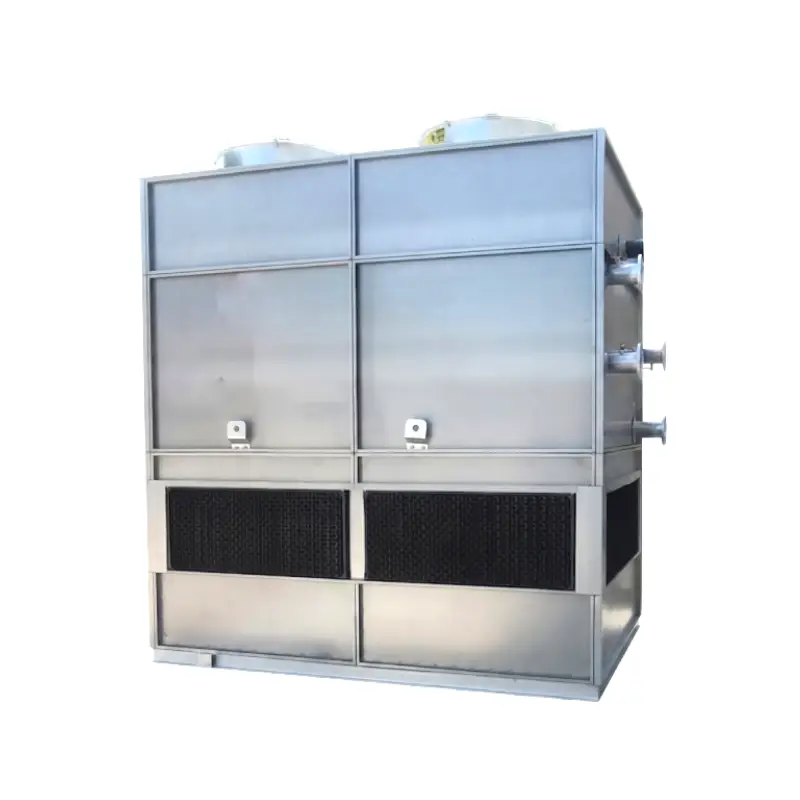
A Wet-Dry Crossflow Closed-Circuit Cooling Tower combines evaporative cooling with dry heat rejection to provide flexible temperature control across different operating conditions. Its crossflow airflow arrangement allows water and air to exchange heat efficiently while keeping the process fluid inside a closed coil circuit. This design helps improve system reliability, reduce contamination risks, and optimize energy and water consumption.
- Flexible Cooling Performance: The wet-dry configuration can switch between operating modes according to ambient temperature and cooling demand. During cooler weather, dry cooling can reduce water consumption, while wet operation provides stronger heat rejection when higher cooling capacity is required.
- Water Conservation: Dry operation significantly reduces dependence on evaporative water. By using wet cooling only when necessary, the tower can help lower makeup-water requirements and reduce operating costs, making it suitable for facilities where water availability is an important consideration.
- Energy Efficiency: The system can optimize fan operation and cooling modes according to actual thermal requirements. Using dry cooling during favorable ambient conditions can reduce the workload on the spray system and contribute to more efficient overall operation.
- Reduced Process Contamination: Because the process fluid circulates through a closed heat-exchange coil rather than being directly exposed to outside air, the system helps limit dust, debris, and airborne contaminants from entering the process circuit, supporting cleaner and more stable operation.
- Reliable Temperature Control: The combination of wet and dry cooling provides greater flexibility for handling changing loads and weather conditions. Operators can select the appropriate cooling mode to maintain more consistent process temperatures throughout seasonal and production fluctuations.
Wet-Dry Crossflow Closed-Circuit Cooling Tower Applications
A Wet-Dry Crossflow Closed-Circuit Cooling Tower is designed for industrial and commercial systems requiring dependable heat rejection with greater flexibility in water and energy management. Its closed-loop configuration makes it particularly useful for processes where fluid cleanliness, stable temperatures, and continuous operation are important. The wet-dry design also adapts well to changing environmental conditions and seasonal cooling requirements.
- Industrial Process Cooling: It can remove heat from manufacturing processes, production equipment, and circulating fluids. The closed-loop design helps protect process fluids from external contamination while providing dependable cooling for facilities with variable thermal loads.
- HVAC and Central Cooling Systems: The tower can support chillers, air-conditioning systems, and centralized cooling equipment that require efficient heat rejection. Dry operation can be especially useful during cooler periods, helping reduce unnecessary water consumption.
- Power Generation Facilities: It can be applied to auxiliary cooling systems and other heat-generating equipment in power plants. Its flexible operating modes help accommodate changing loads while maintaining reliable heat rejection during continuous industrial operation.
- Chemical and Petrochemical Plants: Chemical processing equipment often requires stable and controlled cooling conditions. A closed-circuit tower can help maintain process temperatures while reducing the risk of contaminants entering sensitive circulation loops.
- Food and Beverage Processing: The system can provide indirect cooling for equipment and production processes where fluid cleanliness is important. Its closed-loop operation helps separate the process fluid from the external cooling environment.
- Data Centers and Specialized Cooling Systems: It can be integrated into cooling infrastructure requiring dependable heat rejection and year-round temperature management. The ability to use dry cooling under suitable outdoor conditions can help improve water-management performance.