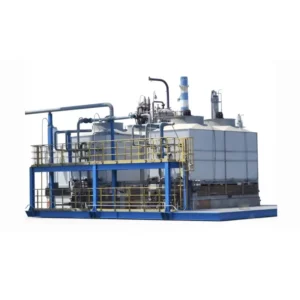
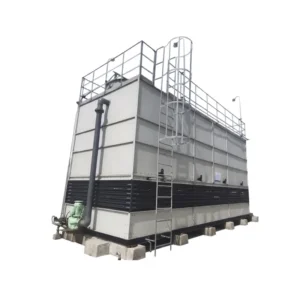
Dry Counterflow Closed-Circuit Cooling Tower Benefits
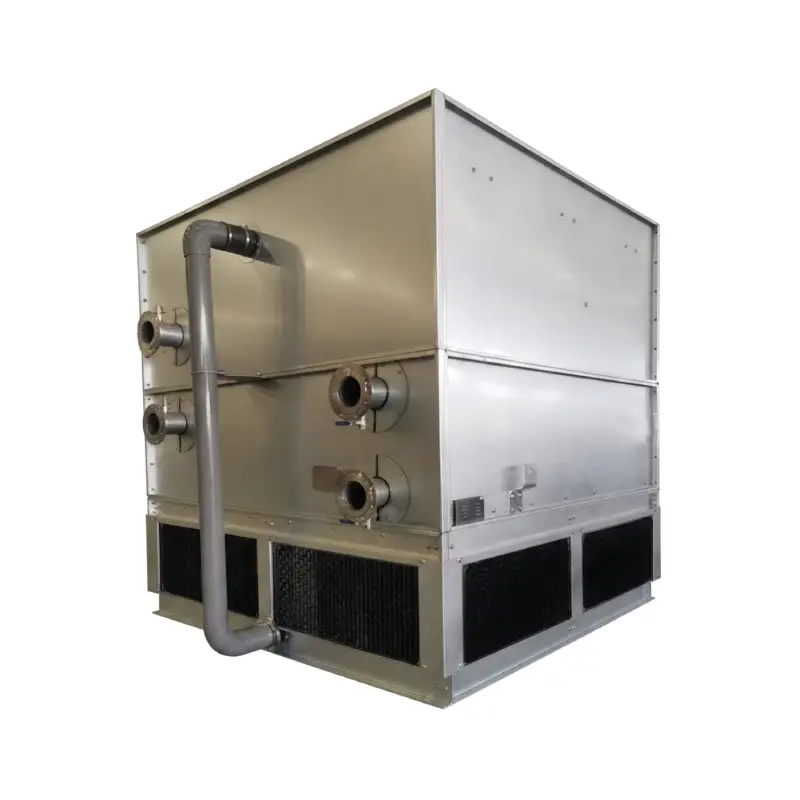
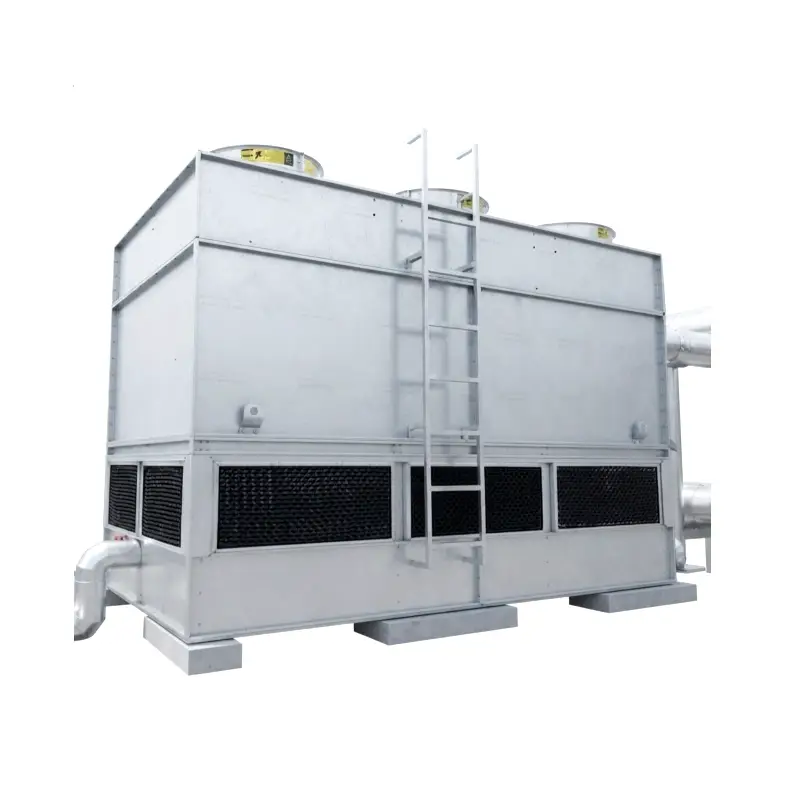
A Dry Counterflow Closed-Circuit Cooling Tower uses ambient air to remove heat from process fluids without direct contact between the cooling air and circulating fluid. Its closed-loop design helps maintain fluid cleanliness while eliminating evaporative water consumption. With counterflow airflow, the system provides effective heat transfer and dependable cooling for applications where water conservation and low maintenance are priorities.
- Zero Evaporative Water Consumption: Dry cooling eliminates the need for spray water during operation, making it suitable for facilities facing water shortages or strict water-use regulations. This also removes the need for regular makeup water and helps reduce water treatment requirements and related operating expenses.
- Clean Closed-Loop Operation: The process fluid remains inside a sealed heat-exchange coil, preventing direct exposure to airborne dust, debris, and contaminants. This helps maintain fluid quality, reduces fouling risks, and supports stable operation for sensitive industrial processes and equipment.
- Lower Maintenance Requirements: Without spray pumps, nozzles, basins, or evaporative water circulation, the system generally has fewer water-related components to maintain. This can simplify routine inspections, reduce scaling and biological growth concerns, and contribute to lower long-term maintenance workloads.
- Reliable Cooling Performance: The counterflow configuration promotes efficient heat exchange between the process fluid and ambient air. This arrangement helps provide consistent cooling performance when properly selected for the required thermal load, outdoor conditions, and desired outlet temperature.
- Reduced Water Treatment Needs: Since the system does not rely on evaporative cooling water, facilities can minimize chemical treatment associated with water circulation. This can simplify water management and reduce expenses related to chemical dosing, blowdown, and water-quality monitoring.
Dry Counterflow Closed-Circuit Cooling Tower Applications
A Dry Counterflow Closed-Circuit Cooling Tower is well suited to facilities that need reliable heat rejection without consuming large quantities of cooling water. Its closed-loop design and air-based cooling principle make it valuable for industrial processes, HVAC systems, power equipment, and other applications where clean process fluids, low maintenance, and water conservation are important considerations.
- Industrial Process Cooling: It can cool circulating fluids used in manufacturing machinery, production lines, and industrial equipment. The closed coil keeps the process fluid isolated from the environment, helping maintain fluid quality while providing dependable heat removal.
- HVAC Systems: Dry closed-circuit cooling towers can support chillers and other HVAC equipment requiring heat rejection. They are particularly suitable for locations where water availability is limited or where facility operators want to avoid evaporative cooling systems.
- Power Generation: Power plants can use dry closed-circuit cooling equipment for auxiliary systems and heat-generating components. The water-free operating principle helps reduce dependence on cooling water while supporting continuous industrial operation.
- Data Centers: Data centers can integrate dry closed-circuit cooling towers into cooling infrastructure where reliable temperature control and water conservation are priorities. Their closed-loop configuration can help protect circulating fluids while supporting year-round heat rejection.
- Chemical Processing: Chemical plants can use the system to cool process fluids and equipment that require controlled thermal conditions. Keeping the process fluid inside closed coils helps reduce exposure to external contaminants and supports cleaner circulation.
- Food and Beverage Processing: The system can provide indirect cooling for processing equipment and production systems where cleanliness is important. Its closed-loop operation separates the process fluid from ambient air, helping maintain a controlled and stable cooling environment.