A cooling tower works like the lungs of an industrial system. Once it gets blocked or fails, the entire production line can grind to a halt. Yet most facilities only think about maintenance after something breaks. A structured cooling tower maintenance program can reduce unplanned downtime by up to 70% and cut maintenance costs by roughly half.
This guide draws on 16 years of experience supporting global clients, covering exactly what to check, when to check it, and how to do it correctly.
What are Cooling Towers?
Recommended products
-
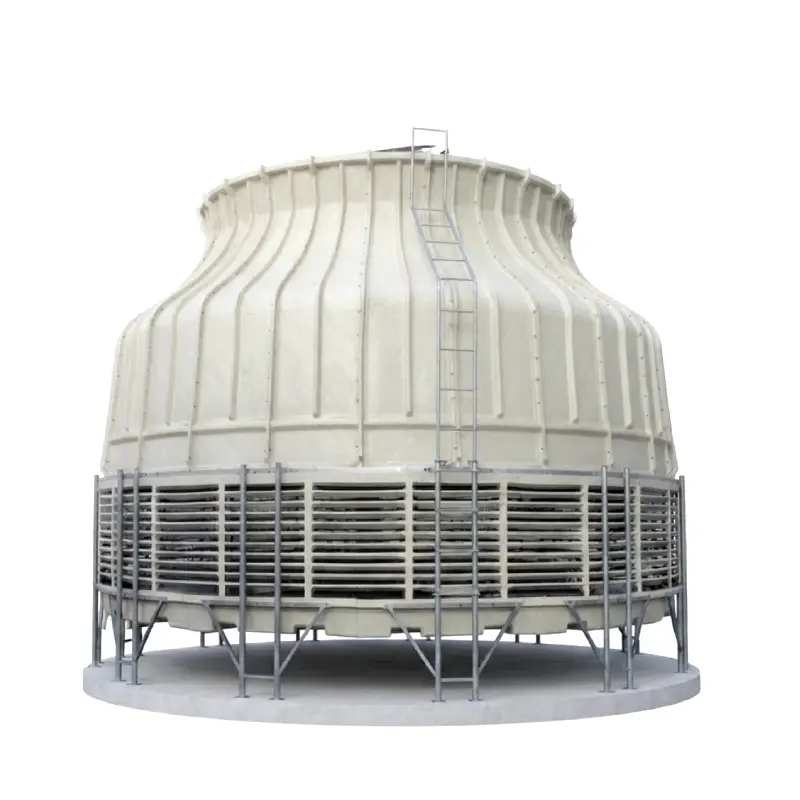
Circular Fiberglass Cooling Tower
-
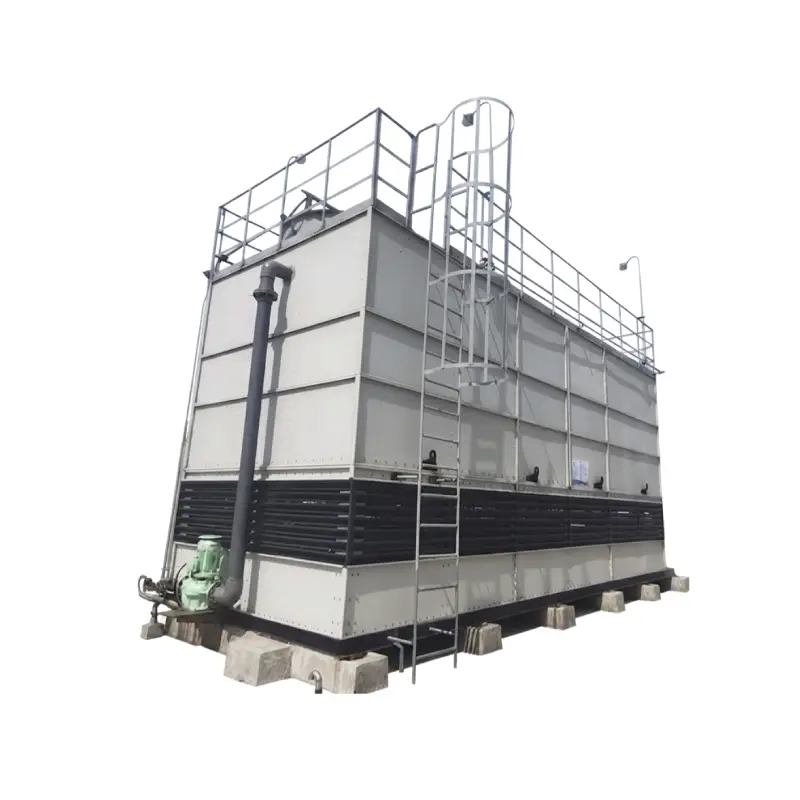
Closed Cooling Tower
-
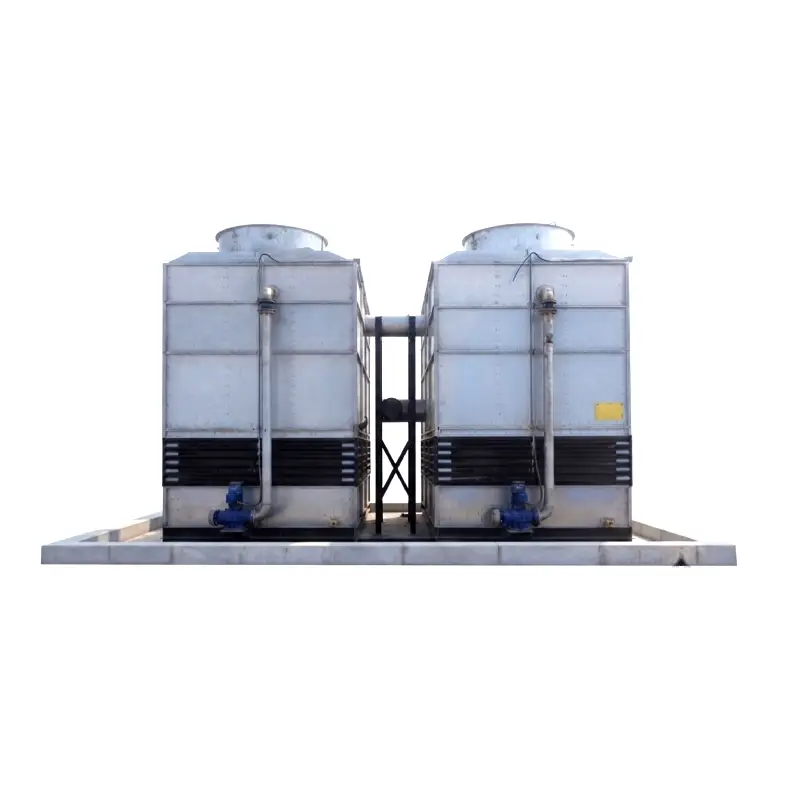
Closed Cooling Tower for Intermediate Frequency Furnace
-
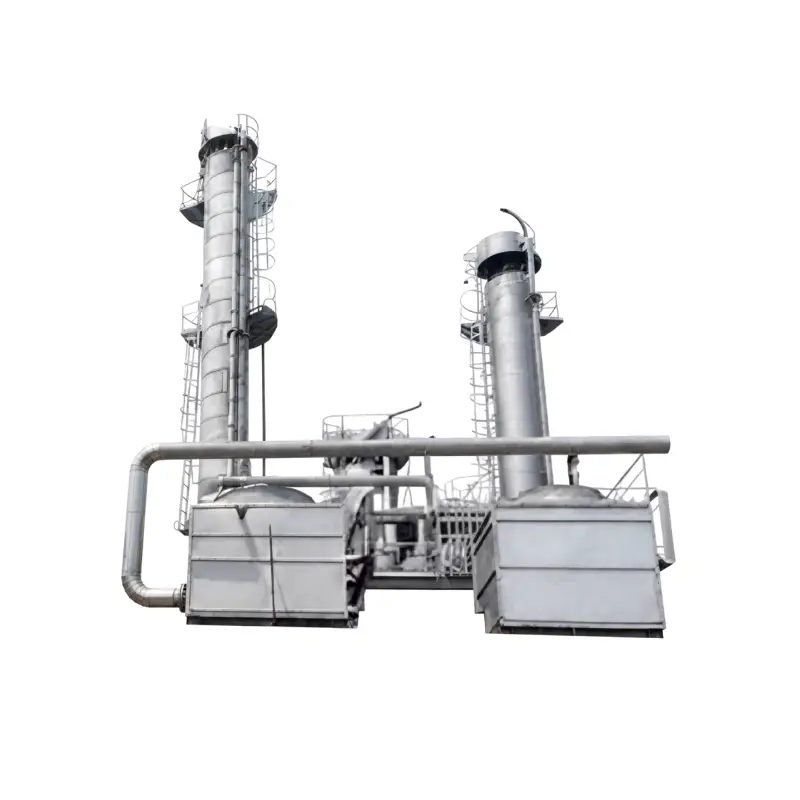
Closed Cycle Cooling Tower
-
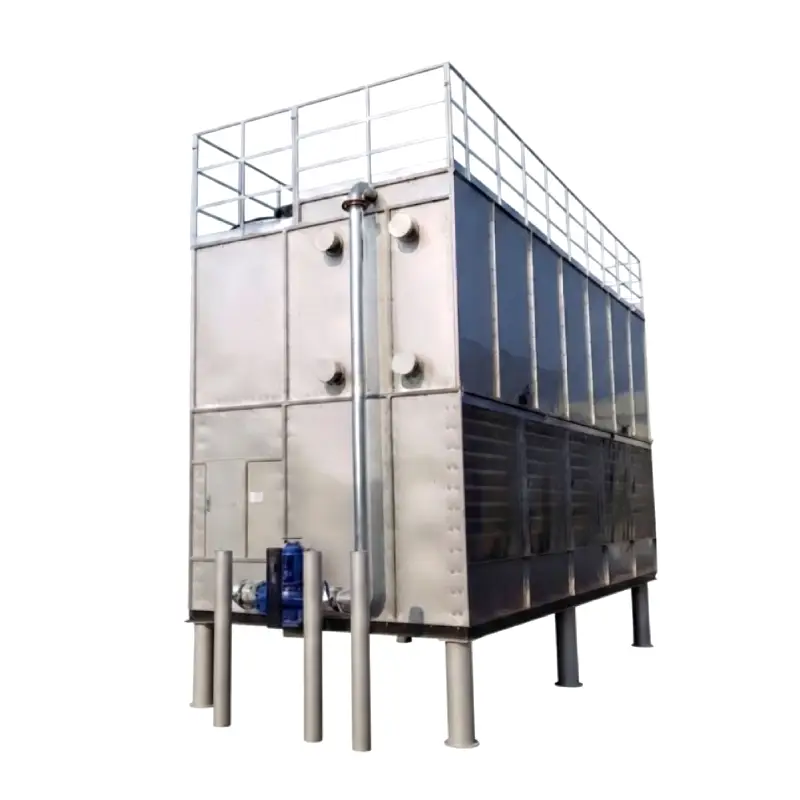
Closed Loop Cooling Tower
-
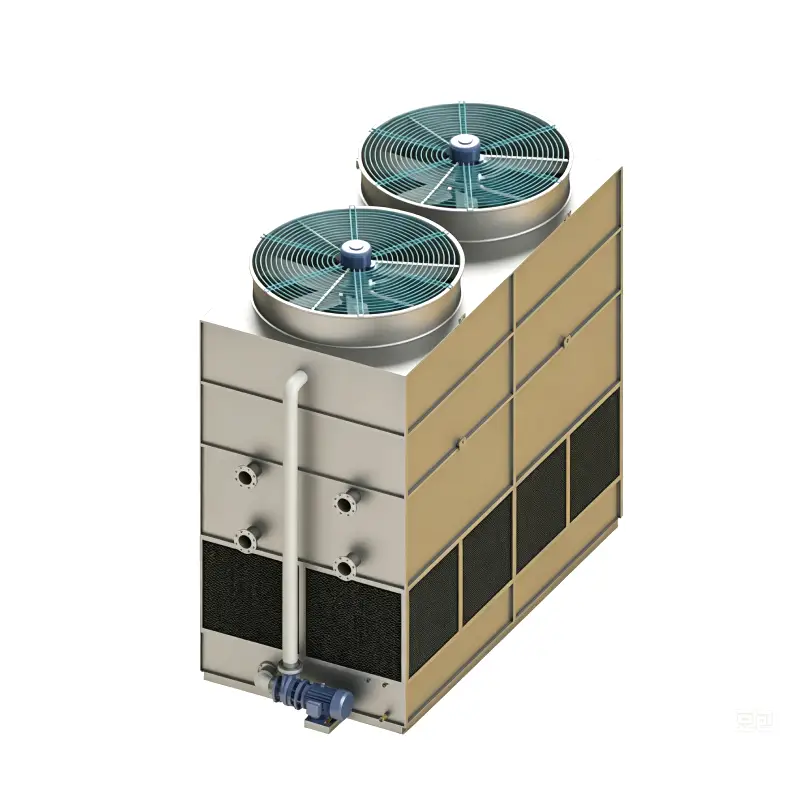
Closed-Circuit Counterflow Cooling Tower
-
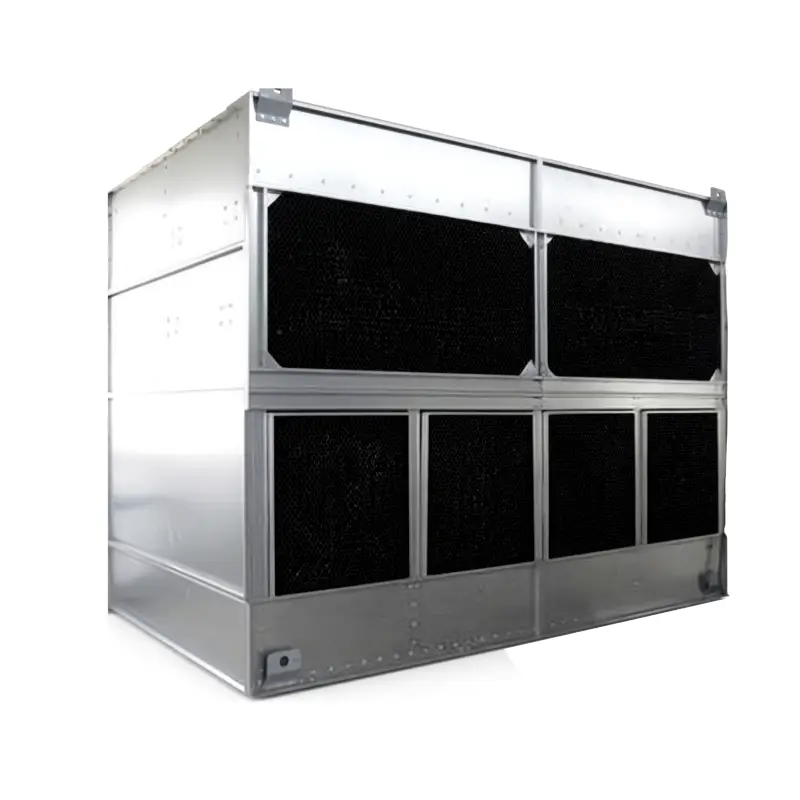
Combined Flow Closed-Circuit Cooling Tower
-
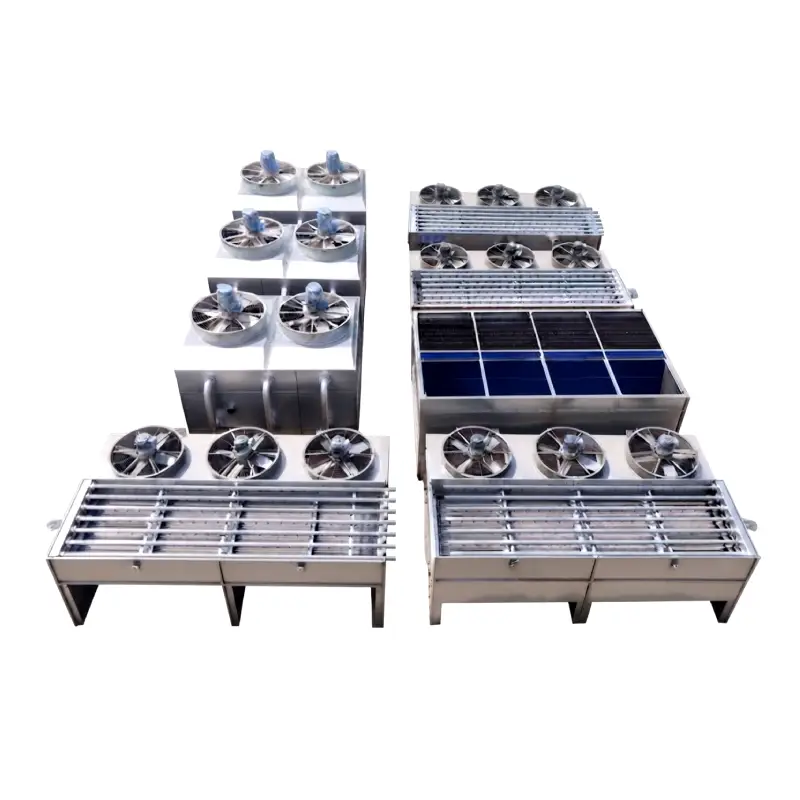
Composite Closed Cooling Tower
-
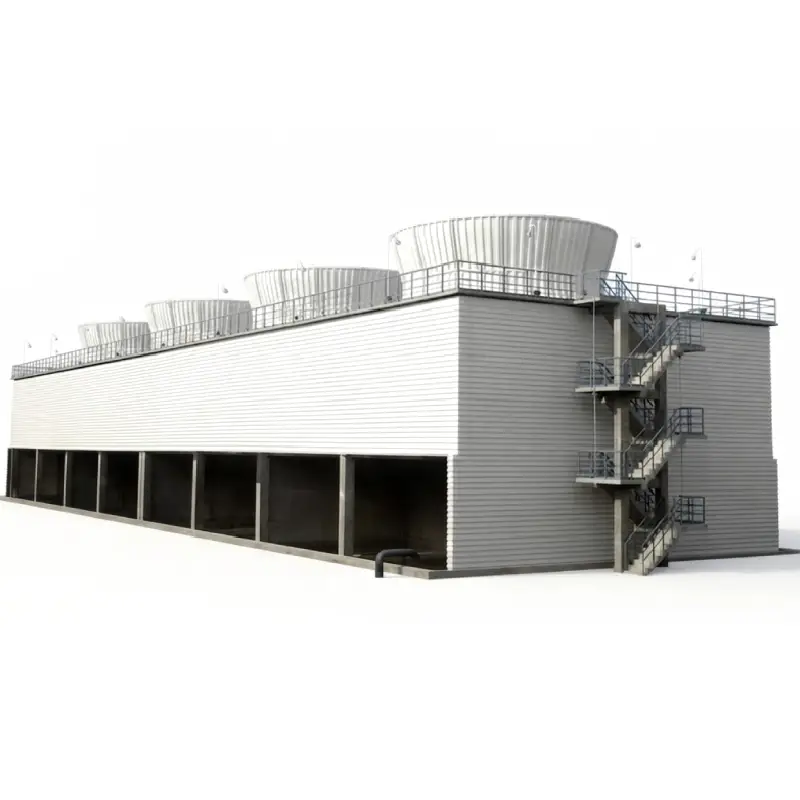
Concrete Structure Cooling Tower
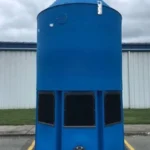
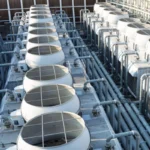
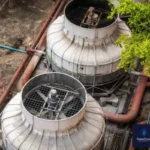
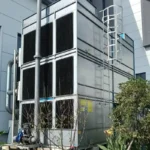
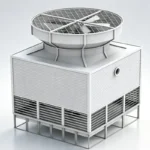
Cooling towers are heat-rejection systems used to remove excess heat from industrial processes, commercial HVAC systems, power plants, and other equipment. They work by transferring heat from warm circulating water to the surrounding air, primarily through evaporation. As the water cools, it is recirculated through the system to absorb heat again.
Cooling towers come in several designs, including open-circuit and closed-circuit systems, as well as counterflow and crossflow configurations. Their size and operating method depend on the required cooling capacity, water flow, climate, and application. By efficiently rejecting unwanted heat, cooling towers help maintain stable equipment temperatures and improve overall system performance.
Why Cooling Tower Maintenance Matters
Most cooling tower failures don’t happen overnight — they build up slowly through skipped inspections, ignored water quality, and delayed lubrication. Spending just two hours a year on correct upkeep can extend your equipment’s service life by three to five years, while avoiding costly emergency repairs and production interruptions.
- Prevents unplanned downtime: A tower that suddenly stops cooling can shut down connected chillers, compressors, or production lines, forcing an emergency repair that costs far more than routine upkeep would have.
- Protects heat transfer efficiency: Scale, algae, and debris buildup on the fill reduce heat exchange performance, forcing your system to work harder and consume more energy to reach the same cooling result.
- Extends component lifespan: Motors, bearings, belts, and gearboxes wear out faster when lubrication, alignment, and tension aren’t checked regularly, shortening the useful life of expensive rotating equipment.
- Reduces long-term costs: Preventive maintenance catches small issues, like minor scaling or a loose belt, before they escalate into major repairs involving pipe replacement or chiller cleaning.
How to Maintain a Cooling Tower?
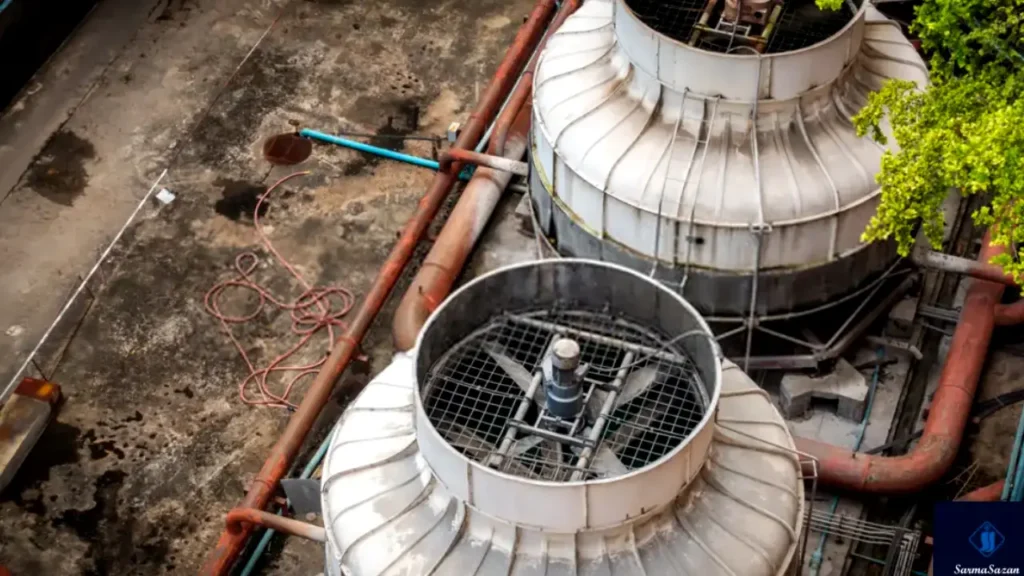
Proper cooling tower maintenance requires a systematic approach that covers water quality, mechanical components, heat-transfer surfaces, and safety controls. A regular maintenance schedule helps identify problems before they cause performance losses or unexpected shutdowns.
By following the steps below, operators can improve cooling efficiency, extend equipment life, control operating costs, and maintain safer operation.
Tools Needed
- Safety gloves, goggles, and protective clothing
- Water quality testing kit
- Soft brushes and cleaning tools
- Pressure washer
- Wrenches and screwdrivers
- Lubricant and grease
- Replacement filters and nozzles
- Vibration meter
- Multimeter
- Disinfectant and approved water-treatment chemicals
Step 1: Inspect the Cooling Tower
Start by performing a visual inspection of the entire cooling tower. Check the basin, casing, pipes, fill, drift eliminators, nozzles, fan, motor, and structural components for dirt, leaks, corrosion, cracks, unusual noise, or visible damage. Record any abnormalities and prioritize problems that could affect safety or cooling performance.
Next, inspect the surrounding area and confirm that air inlets and outlets remain unobstructed. Look for accumulated leaves, dust, algae, and other debris that could restrict airflow or contaminate circulating water. Regular inspections make it easier to identify developing problems early and prevent minor defects from becoming costly failures.
Step 2: Check and Treat Water Quality
Test the circulating water regularly for important parameters such as pH, conductivity, hardness, and chemical treatment levels. Poor water chemistry can accelerate corrosion, scale formation, and biological growth, reducing heat-transfer efficiency. Compare test results with the cooling tower manufacturer’s recommended operating ranges and adjust treatment accordingly.
Maintain proper chemical treatment and blowdown practices based on system requirements. Excessive dissolved minerals can accumulate as water evaporates, while insufficient treatment may encourage scale or microorganisms. Automated water-treatment controls can provide more consistent management, but operators should still verify system performance through routine testing and inspection.
Step 3: Clean the Cooling Tower
Clean the cooling tower basin regularly to remove sediment, dirt, algae, leaves, and other accumulated contaminants. Drain the basin when required and use suitable brushes or cleaning equipment to remove deposits from surfaces. Avoid damaging coatings, plastic components, fill materials, or other parts during the cleaning process.
Inspect and clean the fill, nozzles, strainers, and drift eliminators according to the manufacturer’s recommendations. Blocked nozzles can create uneven water distribution, while dirty fill can restrict airflow and heat transfer. Thorough cleaning helps restore proper circulation and allows the tower to operate closer to its intended cooling capacity.
Step 4: Inspect Fans, Motors, and Drives
Check cooling tower fans for cracks, corrosion, imbalance, and excessive vibration. Inspect fan blades, shafts, bearings, belts, pulleys, gearboxes, and couplings for signs of wear or misalignment. Make sure rotating components are properly secured and that protective guards remain correctly installed before returning the equipment to normal operation.
Inspect electric motors and drive systems for overheating, unusual sounds, loose connections, or abnormal vibration. Lubricate bearings and other applicable components according to manufacturer instructions. For belt-driven systems, check belt tension and condition. Correcting mechanical problems early can prevent fan failure and unnecessary energy consumption.
Step 5: Check Pumps and Water Distribution
Inspect circulating-water pumps for leaks, unusual vibration, abnormal noise, and changes in operating performance. Check seals, bearings, couplings, valves, and connections for wear or damage. Confirm that pumps deliver the required flow rate and pressure so water can reach the distribution system consistently across the tower.
Examine distribution pipes, spray nozzles, strainers, and valves for blockages or corrosion. Clean clogged nozzles and replace damaged components when necessary. Proper water distribution ensures that the fill receives adequate water across its surface, improving evaporation and heat transfer while reducing areas where scale or biological growth can develop.
Step 6: Monitor Heat-Transfer Performance
Track cooling tower operating conditions, including entering-water temperature, leaving-water temperature, ambient wet-bulb temperature, water flow, and fan operation. Comparing current readings with historical data can reveal gradual performance deterioration. A rising approach temperature may indicate fouled fill, inadequate airflow, poor water distribution, or other developing operational problems.
Keep accurate maintenance and performance records for each inspection and service activity. Recording temperatures, water chemistry, cleaning dates, repairs, and component replacements makes performance trends easier to identify. These records can also help maintenance teams determine appropriate service intervals and make better decisions about repairs or equipment upgrades.
Step 7: Control Biological Growth
Cooling towers require appropriate water management because warm, recirculating water can support microbial growth. Follow a documented water-treatment and cleaning program appropriate for the facility and local requirements. Maintain disinfectant levels within the specified range and investigate unusual odors, visible slime, or other signs of biological contamination.
When cleaning or disinfecting the tower, follow the equipment manufacturer’s procedures and applicable safety requirements. Workers should use appropriate personal protective equipment and avoid unnecessary exposure to contaminated water or aerosols. A consistent biological-control program helps maintain cleaner water systems and reduces potential health and operational risks.
Step 8: Perform Final Checks and Schedule Maintenance
After completing maintenance, inspect the cooling tower again before restarting it. Confirm that tools, debris, and temporary equipment have been removed, guards are securely installed, valves are correctly positioned, and electrical connections are safe. Start the system according to the manufacturer’s procedures and listen for unusual sounds or vibration.
Create a preventive maintenance schedule based on operating conditions, manufacturer recommendations, and inspection findings. Daily monitoring can cover basic operating conditions, while deeper inspections and cleaning should occur periodically. Consistent scheduling prevents maintenance from becoming purely reactive and helps keep the cooling tower efficient, dependable, and ready for continuous service.
Annual Cooling Tower Maintenance Calendar
Following a consistent maintenance schedule is the single most effective way to avoid surprise failures. The table below breaks down exactly what to inspect at each interval, from daily visual checks to a full annual shutdown overhaul.
| Frequency | Inspection Item | Key Actions |
|---|---|---|
| Daily | Water level, fan noise, spray uniformity | Visual check, listen for unusual sounds |
| Weekly | Water quality (pH, conductivity), belt tension | Use portable meters |
| Monthly | Fill scaling, float valve function | Flush fill surface, adjust float |
| Quarterly | Motor insulation resistance, bearing lubrication | Measure offline, add lithium grease |
| Semi-annual | Fan blade balance, gearbox oil change | Vibration test, replace gear oil |
| Annual | Full shutdown overhaul: clean fill, replace seals, inspect steel corrosion | Schedule during winter or off-season |
Key Maintenance Reminders
A few details make the biggest difference between a tower that lasts and one that fails early. Keep these three principles in mind as you build out your maintenance routine, since they affect both performance and equipment longevity.
- Water quality management is essential: Keep the cycles of concentration between 3 and 5. Once concentration exceeds 5, blowdown is required to prevent mineral buildup and corrosion inside the system.
- Avoid high-pressure water on the fill: High-pressure washing can damage the fill’s delicate structure. Instead, soak it with a specialized cleaner and follow up with a gentle, low-pressure rinse.
- Protect against winter freezing: Idle towers must have standing water fully drained before cold weather arrives. Towers that remain in operation should maintain a minimum water flow to prevent ice formation.
The Real Cost of Ignoring Maintenance
Skipping routine checks doesn’t just risk a breakdown — it has a measurable price tag. Small, unaddressed problems compound quickly, turning a low-cost fix into a major capital expense.
The table below shows how neglected maintenance escalates over time.
| Problem | Consequence | Repair Cost (USD) |
|---|---|---|
| 1mm scale on fill | 15% drop in heat transfer efficiency | Cleaning ~$280 |
| Loose belt not adjusted | 20% airflow reduction, motor overheating | Belt + motor repair ~$700 |
| Bearing ran dry for 3 months | Bearing burnt, fan shaft bent | Bearing + shaft replacement ~$1,100 |
| Untreated water quality deterioration | Pipe corrosion perforation, chiller condenser blockage | Pipe replacement + chiller cleaning ~$4,200 |
As the table shows, a small $280 cleaning issue left unaddressed can eventually cascade into thousands of dollars in pipe and chiller repairs. Catching problems early is always the more economical path.
How We Support Your Maintenance Program?
You don’t need to become a cooling tower expert to keep your equipment running well. We offer two maintenance support packages designed to give your team the guidance and hands-on training needed to manage upkeep confidently, whether you prefer remote support or an on-site visit.
- Remote Diagnostic Pack (Free): Send us photos or a short video of your tower’s condition, and our team will provide a diagnostic report along with clear operation guidance within 24 hours.
- On-site Training Package (Paid): Our engineer visits your facility and trains your maintenance team hands-on through the full maintenance process, supported by bilingual manuals your team can reference going forward.
How often should a cooling tower be inspected?
Cooling towers need daily visual checks, weekly water quality testing, monthly fill inspections, quarterly motor and bearing checks, semi-annual fan balancing, and one full annual shutdown overhaul for a complete inspection.
What is the ideal cycles of concentration for cooling tower water?
Cycles of concentration should generally stay between 3 and 5. Once the concentration rises above 5, blowdown is necessary to prevent scale buildup and corrosion inside the system.
Can I clean cooling tower fill with a pressure washer?
No. High-pressure water can damage the fill’s structure. Use a specialized cleaning solution to soak the fill first, then rinse it with low-pressure water to remove buildup safely.
What happens if cooling tower maintenance is neglected?
Neglected maintenance leads to reduced heat transfer efficiency, higher energy use, overheating motors, bearing failure, and eventually pipe corrosion or chiller blockage, all of which are far more expensive to repair than routine upkeep.
Conclusion
Cooling tower maintenance doesn’t need to be complicated, but it does need to be consistent. Following a clear schedule for daily, weekly, monthly, and annual checks protects your equipment’s efficiency and helps you avoid costly emergency repairs.
If you’d like help getting started, send us photos or video of your tower for a free diagnostic report, or contact our team to discuss an on-site training package tailored to your facility.
📞 WhatsApp: +86-XXX-XXXX-XXXX 📧 Email: info@runcooling.com 💬 Live Chat (bottom right corner)