Chillers and cooling towers are both important cooling systems used in commercial and industrial applications, but they work in different ways. While chillers remove heat from water or other fluids through refrigeration, cooling towers reject heat into the atmosphere through evaporation and air circulation.
Understanding the differences between chillers and cooling towers helps businesses select the most suitable solution for their cooling requirements. In this guide, we will compare their working principles, applications, advantages, and key factors to consider when choosing between these two essential cooling technologies.
What is a Cooling Tower?
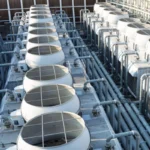
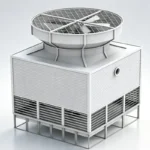
A cooling tower is a specialized heat exchange system that removes heat from circulating water and releases it into the atmosphere. It uses evaporation and airflow to lower water temperatures before returning the cooled water to industrial equipment or HVAC systems.
Cooling towers are widely used in power plants, factories, and commercial buildings for efficient heat management.
Conclusion
Chillers and cooling towers both provide effective cooling solutions, but they serve different purposes and operate through different methods. Chillers are ideal for precise temperature control in HVAC and industrial processes, while cooling towers are designed for efficient heat rejection and large-scale cooling applications.
Choosing between a chiller and a cooling tower depends on factors such as cooling capacity, energy efficiency, installation environment, and operational needs. A reliable cooling system can improve equipment performance, reduce maintenance costs, and support long-term business productivity.
At Runcooling, we provide high-quality cooling solutions designed to meet various industrial and commercial requirements. Whether you need advanced chillers or efficient cooling towers, we offer reliable products, professional support, and competitive prices. Get wholesale cooling tower and chiller from Runcooling for your next project.