Wet-Dry Counterflow Closed-Circuit Cooling Tower Benefits
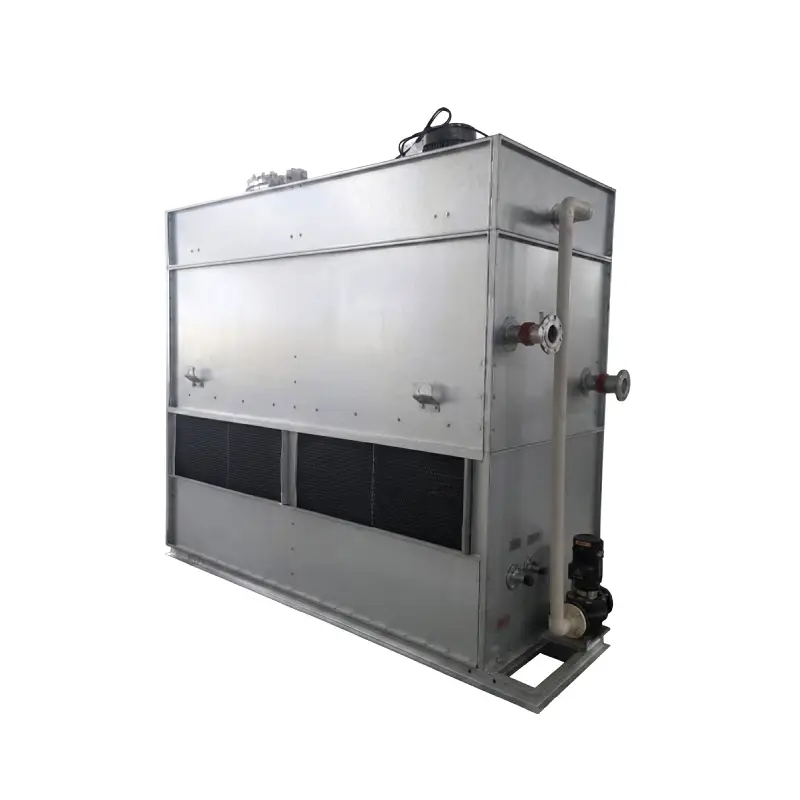
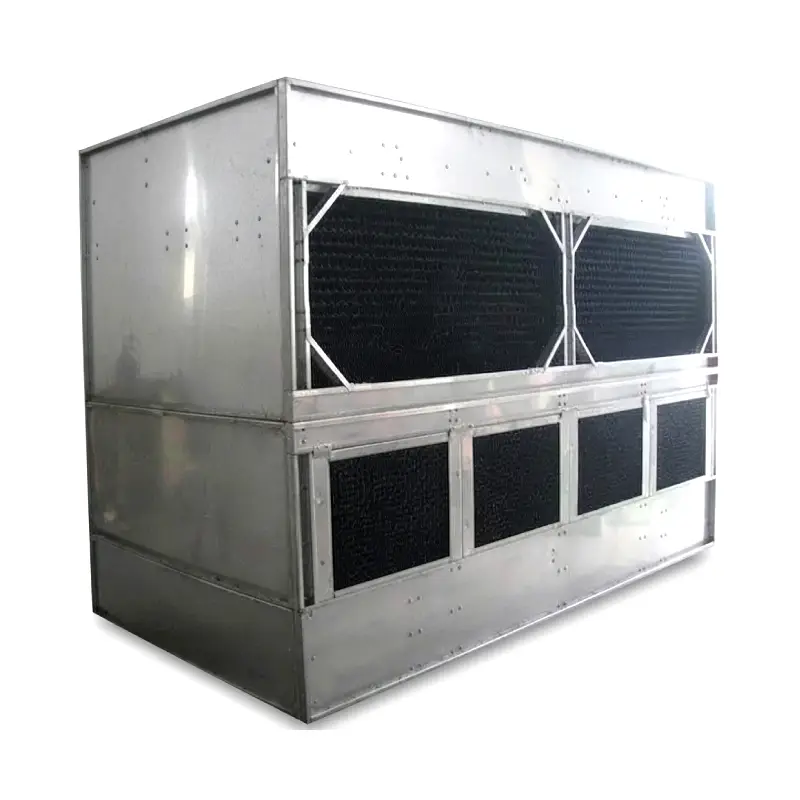
A wet-dry counterflow closed-circuit cooling tower combines evaporative and dry cooling methods to provide flexible, efficient heat rejection. Its closed-loop design keeps process fluid separated from outside air and spray water, helping reduce contamination and maintenance. This makes it suitable for industrial facilities that need reliable temperature control, water conservation, and stable cooling performance under changing operating conditions.
- Improved Water Conservation: Dry operation can reduce spray-water consumption when ambient conditions are favorable, while evaporative cooling provides additional capacity during hotter periods. This hybrid approach helps facilities lower water usage without sacrificing cooling performance, making it especially valuable in regions where water availability or operating costs are important considerations.
- Reduced Fouling and Contamination: Because the process fluid circulates inside a closed coil circuit, it remains isolated from atmospheric contaminants and direct contact with spray water. This separation helps minimize scaling, fouling, corrosion, and biological contamination inside the process loop, supporting cleaner operation and reducing the frequency of system cleaning.
- Flexible Cooling Performance: The tower can switch between dry and wet cooling modes according to ambient temperature and system load. During cooler weather, dry operation can provide sufficient heat rejection, while wet operation adds evaporative capacity during peak conditions. This flexibility helps maintain consistent process temperatures throughout seasonal changes.
- Lower Operating Costs: By combining dry and evaporative cooling, the system can optimize energy and water consumption according to actual operating requirements. Reduced water usage, fewer maintenance interventions, and efficient heat transfer can contribute to lower long-term operating expenses, particularly for facilities running cooling systems continuously or under variable loads.
- Reliable Closed-Loop Operation: The closed-circuit configuration protects the process fluid from external contamination while maintaining controlled circulation. This design supports dependable heat removal for sensitive industrial processes and helps reduce unexpected performance problems associated with open cooling systems, making it a practical choice for applications where operational reliability is a priority.
Wet-Dry Counterflow Closed-Circuit Cooling Tower Applications
Wet-dry counterflow closed-circuit cooling towers are designed for industrial processes requiring dependable heat rejection with greater control over water consumption and process-fluid cleanliness. Their hybrid cooling capability makes them adaptable to different climates and operating loads. They can serve factories, energy facilities, HVAC systems, and process industries where stable cooling and efficient resource management are essential.
- Industrial Process Cooling: These cooling towers can remove heat from manufacturing processes, production equipment, hydraulic systems, and other industrial machinery. Their closed-loop design helps protect circulating process fluids from contamination, while wet-dry operation allows cooling performance to adjust according to environmental conditions and production requirements.
- HVAC and Chiller Systems: The equipment can be integrated with large HVAC and chiller installations to reject condenser heat efficiently. Dry cooling can be used when outdoor temperatures permit, while evaporative operation provides additional cooling capacity during high-temperature periods. This makes the system suitable for commercial and industrial climate-control applications.
- Power Generation Facilities: Power plants and energy facilities require dependable heat rejection to maintain efficient equipment operation. Wet-dry closed-circuit cooling towers can support auxiliary cooling systems, generators, and other heat-producing equipment while helping control water consumption. Their closed process loop also reduces the risk of contamination affecting sensitive equipment.
- Data Centers: Data centers need continuous and reliable cooling to prevent excessive temperatures from affecting servers and electrical equipment. These towers can provide heat rejection for cooling systems while using dry operation during favorable outdoor conditions. Evaporative cooling can then supplement capacity when higher cooling loads or temperatures require additional performance.
- Chemical and Pharmaceutical Industries: Chemical and pharmaceutical production often requires controlled cooling and clean circulating fluids. A closed-circuit tower separates the process fluid from the external cooling environment, helping reduce contamination risks. Its wet-dry configuration also provides adaptable cooling capacity for processes with changing temperatures and heat loads.
- Food and Beverage Processing: Food and beverage facilities use cooling systems for production equipment, refrigeration systems, compressors, and process operations. Closed-loop cooling helps maintain cleaner process conditions, while hybrid wet-dry operation can improve water efficiency. The system is therefore suitable for plants seeking dependable cooling with better control over operating resources.